
 UAE
UAE
 Qatar
Qatar
 Pakistan
 KSA
KSA
 Oman
Oman
 Kuwait
 Bahrain
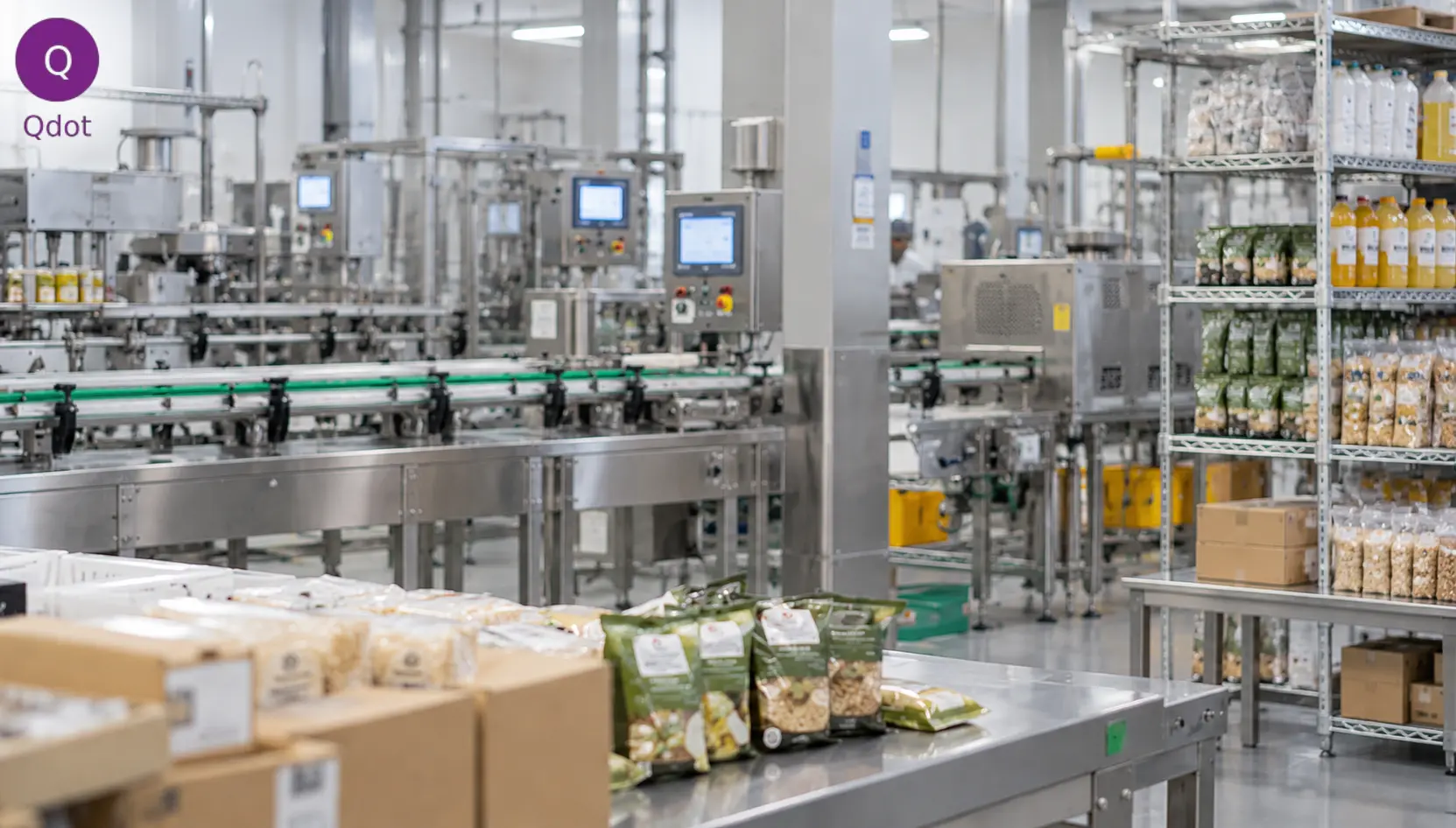
Build a practical HALAL compliance system, strengthen product integrity and prepare confidently for independent HALAL certification.
Qdot provides professional HALAL Consultancy in Oman for organizations that need to establish, improve or demonstrate compliance with applicable HALAL requirements. Our consultants support businesses in reviewing ingredients and raw materials, supplier approvals, production processes, cleaning and sanitation, segregation, storage, transportation, traceability, documentation, employee awareness and audit readiness.
For companies searching for HALAL Certification in Oman, Qdot provides consultancy and certification-readiness support. The HALAL certificate itself is issued by an appropriate independent HALAL certification body after evaluation of the organization, products, processes and applicable scheme requirements.
Our HALAL consultancy services are available across Oman, including Muscat, Sohar, Salalah, Duqm, Nizwa, Sur, Barka, Rusayl, Samail, Al Buraimi, Ibri, Al Suwaiq, Musandam and other commercial and industrial locations.
Planning HALAL Certification in Oman?
Speak with Qdot about your products, ingredients, production activities, target markets and certification requirements.
What Is HALAL Compliance?
HALAL means permissible under Islamic principles. In a business and product-compliance context, HALAL requirements can apply to ingredients, raw materials, processing aids, slaughtering where relevant, production methods, hygiene, cleaning, storage, transportation, packaging, labeling, traceability and measures used to prevent contamination or mixing with non-HALAL materials.
HALAL compliance is particularly important for food and beverage businesses, meat and poultry operations, food ingredients, pharmaceuticals, nutraceuticals, cosmetics, personal care products, hospitality, catering, warehousing, logistics and exporters supplying Muslim consumer markets.
HALAL Consultancy and HALAL Certification Are Different
Qdot provides HALAL consultancy, implementation guidance, training and certification-readiness support. Qdot does not present itself as the independent body that issues the final HALAL certificate.
Certification requirements can vary according to the product, destination market, certification body and applicable HALAL scheme. Where needed, Qdot can help the client understand the required standard or scheme, prepare documentation, close compliance gaps and coordinate the certification process while maintaining the required independence between consultancy and certification.
HALAL Requirements in Oman
Oman applies national and Gulf standards to product conformity and is strengthening its national HALAL framework. Depending on the product and certification objective, relevant requirements may include Omani or Gulf HALAL standards, certification-body scheme requirements and destination-market conditions.
For HALAL food, the GSO 2055 series is an important regional reference. The exact requirements applicable to a company should be confirmed before implementation because certification scope can differ for food products, slaughtering, cosmetics, pharmaceuticals, logistics and other sectors.
Qdot therefore begins each HALAL project by confirming the product category, target market, certification objective and applicable certification-body requirements rather than applying one generic checklist to every organization.
Why Businesses in Oman Seek HALAL Certification
- Strengthen Muslim consumer confidence in products and services.
- Meet customer, retailer, distributor, tender or export-market requirements where HALAL certification is requested.
- Improve control of ingredients, raw materials, suppliers and processing aids.
- Reduce the risk of cross-contamination or mixing with non-HALAL materials.
- Improve traceability from incoming materials through production, storage and distribution.
- Support access to GCC, OIC and other international markets where accepted HALAL certification is commercially important.
- Demonstrate structured controls for food, cosmetics, pharmaceuticals, nutraceuticals and other consumer products.
- Improve employee awareness of HALAL-sensitive activities and responsibilities.
- Prepare for certification audits, surveillance activities and renewal requirements.
- Strengthen brand credibility where HALAL assurance is important to customers.
Our HALAL Consultancy Services in Oman
- Initial HALAL readiness assessment and gap analysis.
- Identification of applicable HALAL standard, certification scheme and target-market requirements.
- Ingredient, additive, processing-aid and raw-material review.
- Supplier and HALAL certificate verification procedures.
- Process mapping and identification of HALAL-sensitive control points.
- Segregation and cross-contamination controls.
- Cleaning, sanitation and changeover procedures.
- Storage, warehousing and transportation controls.
- Traceability, product identification and recordkeeping systems.
- HALAL policy, procedures, registers and forms.
- Employee HALAL awareness and implementation training.
- Internal HALAL audit and corrective-action support.
- Management review and compliance monitoring.
- Certification-body document preparation and audit readiness.
- Support for surveillance, renewal and changes to certified products or processes.
HALAL Certification Consultancy Process in Oman
1. Scope and Product Review
We confirm the products, services, locations, production processes, raw materials, target markets and intended certification scope.
2. Applicable Requirement Review
The relevant HALAL standard, certification-body scheme and destination-market requirements are identified before implementation begins.
3. HALAL Gap Analysis
Qdot reviews ingredients, suppliers, production flows, cleaning, storage, transport, labeling, records and existing controls to identify compliance gaps.
4. Ingredient and Supplier Verification
The company establishes controls for reviewing ingredient origin, composition, processing aids, supplier documents and HALAL certificates where required.
5. Process and Segregation Controls
We help define production, handling, storage and transportation controls designed to maintain HALAL integrity and prevent contamination or mixing.
6. Documentation Development
Policies, procedures, forms, registers, specifications, approved-supplier records, cleaning controls, traceability records and other necessary evidence are established.
7. Training and Awareness
Relevant staff receive practical training on HALAL requirements, responsibilities, prohibited materials, segregation, records and audit expectations.
8. Internal Audit and Corrective Action
An internal review checks whether the documented controls are being followed and whether any gaps require correction before certification.
9. Certification Audit Readiness
Qdot reviews the evidence, closes outstanding gaps and helps the organization prepare for the independent HALAL certification audit.
10. Ongoing Compliance Support
After certification, Qdot can support surveillance, renewal, new products, supplier changes, ingredient changes and continual improvement.
Who Needs HALAL Consultancy in Oman?
- Food manufacturers and processors.
- Meat and poultry processors and slaughter-related operations.
- Dairy and beverage manufacturers.
- Bakeries, confectionery and snack manufacturers.
- Seafood and fisheries businesses.
- Restaurants, hotels, catering companies and central kitchens.
- Ingredient, additive, flavoring and processing-aid suppliers.
- Pharmaceutical and nutraceutical manufacturers.
- Cosmetics and personal-care product manufacturers.
- Warehouses, cold stores, transport and logistics providers.
- Packaging and labeling companies involved in HALAL supply chains.
- Importers, exporters, distributors and private-label businesses.
- Companies supplying retailers, government customers or international buyers that request HALAL certification.
HALAL Consultancy in Muscat
Qdot provides HALAL Consultancy in Muscat for food manufacturers, restaurants, hotels, catering companies, importers, distributors, warehouses, pharmaceutical businesses, cosmetics companies and other organizations requiring HALAL compliance. Companies seeking HALAL Certification in Muscat can receive support from initial gap analysis and ingredient review through documentation, implementation, internal audit and certification-audit readiness.
Coverage includes Ruwi, Muttrah, Al Khuwair, Ghala, Bausher, Qurum, Azaiba, Seeb, Rusayl, Wadi Al Kabir, Knowledge Oasis Muscat and surrounding commercial and industrial areas.
HALAL Consultancy in Sohar
Qdot provides HALAL Consultancy in Sohar for food manufacturers, ingredient suppliers, logistics companies, warehouses, exporters, pharmaceutical businesses and industrial organizations. Our HALAL Certification in Sohar support can help companies in Sohar Industrial City and Sohar Free Zone strengthen ingredient verification, segregation, traceability, storage and certification readiness.
HALAL Consultancy in Salalah
Qdot supports HALAL Consultancy in Salalah and HALAL Certification in Salalah for food and beverage companies, fisheries, hotels, catering businesses, logistics providers, exporters, warehouses and manufacturers. Coverage includes Salalah city, Raysut Industrial City, Salalah Free Zone and surrounding operations in Dhofar.
HALAL Consultancy in Duqm
Qdot provides HALAL Consultancy in Duqm for food processing, fisheries, logistics, warehousing, hospitality, catering and other businesses operating in and around the Special Economic Zone at Duqm. Organizations pursuing HALAL Certification in Duqm can receive support in product review, supplier verification, segregation, traceability and audit readiness.
HALAL Consultancy Across Other Cities in Oman
- HALAL Consultancy in Nizwa and HALAL Certification in Nizwa for food manufacturing, hospitality, retail supply, cosmetics, pharmaceuticals and service businesses.
- HALAL Consultancy in Sur and HALAL Certification in Sur for seafood, fisheries, food processing, hospitality, logistics and distribution companies.
- HALAL Consultancy in Barka and HALAL Certification in Barka for food production, cold storage, catering, logistics and trading businesses.
- HALAL Consultancy in Al Buraimi and HALAL Certification in Al Buraimi for manufacturing, food, warehousing, trading and cross-border supply activities.
- HALAL Consultancy in Ibri and HALAL Certification in Ibri for food, manufacturing, logistics and service organizations.
- HALAL Consultancy in Samail and HALAL Certification in Samail for food manufacturers, warehouses, industrial suppliers and related businesses.
- HALAL Consultancy in Al Suwaiq and HALAL Certification in Al Suwaiq for new and expanding food, industrial and logistics operations.
- HALAL Consultancy in Khasab and HALAL Certification in Musandam for hotels, tourism, marine businesses, restaurants, food supply and logistics organizations.
HALAL Consultancy for Industrial Cities, Free Zones and Economic Zones in Oman
Industrial and free-zone businesses often operate complex supply chains and serve international markets. HALAL certification can therefore require structured control of materials, suppliers, production, storage, transport and documentation across multiple locations.
Rusayl Industrial City
Qdot provides HALAL Consultancy in Rusayl Industrial City and HALAL Certification support in Rusayl for food manufacturers, ingredients businesses, pharmaceuticals, cosmetics, packaging, warehousing and industrial service providers.
Sohar Industrial City
HALAL Consultancy in Sohar Industrial City and HALAL Certification in Sohar can support manufacturers, ingredient suppliers, food processors, logistics companies and export-oriented businesses.
Sohar Free Zone
Qdot provides HALAL Consultancy in Sohar Free Zone and HALAL Certification support for food, pharmaceutical, cosmetics, warehousing, logistics and international-trade operations.
Raysut Industrial City
HALAL Consultancy in Raysut Industrial City and HALAL Certification in Raysut can support food processors, fisheries businesses, warehouses, packaging companies and industrial suppliers in Dhofar.
Salalah Free Zone
Qdot supports HALAL Consultancy in Salalah Free Zone and HALAL Certification for food, beverage, fisheries, pharmaceuticals, logistics and export-oriented organizations.
Special Economic Zone at Duqm
HALAL Consultancy in Duqm Special Economic Zone and HALAL Certification support in Duqm can help food, fisheries, logistics, hospitality, warehousing and export businesses establish effective HALAL controls.
Nizwa Industrial City
Qdot provides HALAL Consultancy in Nizwa Industrial City and HALAL Certification support for food, pharmaceutical, cosmetics, packaging and related manufacturing operations.
Sur Industrial City
HALAL Consultancy in Sur Industrial City and HALAL Certification in Sur can support fisheries, seafood, food processing, packaging, logistics and related industrial businesses.
Samail Industrial City
Qdot provides HALAL Consultancy in Samail Industrial City and HALAL Certification support for food manufacturers, warehouses, packaging companies and industrial suppliers.
Al Buraimi Industrial City
HALAL Consultancy in Al Buraimi Industrial City and HALAL Certification in Al Buraimi can support food, pharmaceutical, cosmetics, warehousing, packaging and trading activities.
Ibri Industrial City
Qdot provides HALAL Consultancy in Ibri Industrial City and HALAL Certification support for food manufacturers, warehouses and light-industry businesses.
Al Mudhaibi Industrial City
HALAL Consultancy in Al Mudhaibi Industrial City and HALAL Certification support can help new food, logistics and manufacturing businesses establish structured HALAL controls from an early stage.
Al Suwaiq Industrial City
Qdot can support HALAL Consultancy in Al Suwaiq Industrial City and HALAL Certification for emerging food, logistics and light-manufacturing operations.
Mahas Industrial City
HALAL Consultancy in Mahas Industrial City and HALAL Certification support in Musandam can serve food, fisheries, logistics and related businesses.
Al Mazunah Free Zone
Qdot supports HALAL Consultancy in Al Mazunah Free Zone and HALAL Certification for import-export, food, packaging, warehousing, logistics and trading companies.
Khazaen Economic City
HALAL Consultancy in Khazaen Economic City and HALAL Certification support can help food manufacturers, warehouses, cold-chain businesses, logistics companies, importers and distributors operating within an integrated logistics environment.
Wadi Al Kabir Industrial City
Qdot provides HALAL Consultancy in Wadi Al Kabir and HALAL Certification support in Muscat industrial areas for food businesses, warehouses, distributors, manufacturers and service providers.
HALAL Consultancy by Industry in Oman
| Industry | Typical HALAL Compliance Focus |
|---|---|
| Food & Beverage Manufacturing | Ingredient verification, supplier approval, processing controls, sanitation, segregation, labeling, traceability and product-release evidence. |
| Meat & Poultry | Source controls, slaughter-related requirements where applicable, segregation, hygiene, traceability, storage and certification-body evidence. |
| Seafood & Fisheries | Processing aids, handling, hygiene, traceability, storage, packaging and export-market HALAL requirements where applicable. |
| Hotels, Restaurants & Catering | Approved ingredients, kitchen controls, storage, utensils, cleaning, segregation, supplier records and staff awareness. |
| Pharmaceuticals & Nutraceuticals | Ingredient origin, excipients, gelatin or capsule materials, processing aids, supplier evidence, cleaning, traceability and labeling. |
| Cosmetics & Personal Care | Raw-material origin, alcohol and animal-derived ingredients, production controls, cleaning, storage, labeling and supplier evidence. |
| Logistics & Warehousing | Product identification, segregation, contamination prevention, storage, transport, handling and traceability. |
| Importers & Exporters | Supplier certification, product documentation, destination-market requirements, traceability and certificate control. |
| Packaging & Private Label | Product identity, labeling, artwork control, approved product specifications, supplier documentation and traceability. |
| Retail & Distribution | Supplier approval, certified-product verification, storage, handling, traceability and certificate validity control. |
HALAL and Food Safety Systems
HALAL compliance and food safety are related but different. A product can be hygienically safe yet still fail HALAL requirements because of an ingredient, processing aid, animal-derived material, contamination risk or supply-chain issue.
For food companies, HALAL controls can therefore be integrated with HACCP, ISO 22000, GMP or FSSC 22000 systems so that food-safety and HALAL requirements are managed through coordinated supplier, hygiene, traceability, training, internal-audit and corrective-action processes.
HALAL Training in Oman
Employees involved in purchasing, receiving, production, quality control, warehousing, cleaning, transport, product development and management should understand the HALAL controls relevant to their roles.
- HALAL awareness training for employees and managers.
- Ingredient and supplier-document review guidance.
- Segregation, contamination-prevention and storage training.
- Traceability and recordkeeping requirements.
- Internal HALAL auditor development.
- Certification-audit preparation workshops.
Maintaining HALAL Compliance After Certification
- Review new ingredients and suppliers before approval.
- Monitor supplier HALAL certificates and supporting evidence.
- Control changes to formulas, raw materials, production lines and cleaning chemicals.
- Maintain segregation, hygiene and traceability controls.
- Complete internal HALAL audits and corrective actions.
- Train new employees and refresh awareness periodically.
- Notify the certification body where required when certified products or processes change.
- Prepare for surveillance, renewal or recertification activities according to the applicable scheme.
Why Choose Qdot for HALAL Consultancy in Oman?
- Practical HALAL implementation based on your products, ingredients and processes.
- Support from initial gap analysis through independent certification-audit readiness.
- Integration with HACCP, ISO 22000, GMP and other food-safety systems where relevant.
- Support for food, pharmaceuticals, cosmetics, logistics, hospitality and other HALAL-sensitive sectors.
- Ingredient, supplier, process, segregation and traceability controls tailored to the business.
- Oman-wide coverage across cities, industrial cities, free zones and economic zones.
- Clear distinction between Qdot consultancy and independent HALAL certification.
- Ongoing support for surveillance, renewal, new products and changes to the certified scope.
Start Your HALAL Certification Project in Oman
If your organization is planning HALAL Certification in Oman, Qdot can help you review the applicable requirements, assess ingredients and processes, develop a practical compliance system, train employees and prepare for the independent certification audit.
Speak with Qdot
Tell us your product category, production location, number of products, target markets and intended certification scope. We will recommend a practical HALAL consultancy approach for your organization.
FAQs - HALAL in Oman
HALAL Consultancy in Oman is professional support to help a business understand applicable HALAL requirements, assess ingredients and processes, develop controls, train employees, prepare documents and become ready for independent certification.
Qdot provides HALAL consultancy and certification-readiness support. The final HALAL certificate is issued by an appropriate independent HALAL certification body according to its approved scheme and scope.
The organization should identify the applicable HALAL standard and certification scheme, review ingredients and suppliers, establish required controls, implement documentation and records, complete internal readiness activities and undergo the independent certification audit.
The applicable requirement depends on the product, target market and certification scheme. For HALAL food, Gulf standards such as the GSO 2055 series are important references. The exact requirement should be confirmed for the intended certification scope.
The timeline varies according to product complexity, number of ingredients, supplier evidence, number of sites, certification body, audit availability and how quickly the organization closes identified gaps.
Cost depends on the number of products, ingredients, suppliers, sites, processes, target markets, documentation status and amount of implementation support required. Qdot can provide a quotation after reviewing the scope.
Yes. Ownership background is not the deciding factor. The products, ingredients, processes and controls must comply with the applicable HALAL certification requirements.
Yes. Qdot can support organizations across Oman, including Muscat, Sohar, Salalah, Duqm, Nizwa, Sur, Barka, Rusayl, Samail, Al Buraimi, Ibri, Al Suwaiq, Musandam and other locations.
Yes. Food companies can integrate HALAL-specific controls with an existing food-safety management system while keeping the HALAL requirements clearly identified and verified.
HALAL certification or recognized HALAL controls may be relevant when storage or transport activities form part of a certified supply chain and customers or certification schemes require segregation, contamination prevention and traceability.
Yes, depending on the certification scheme and target market. Particular attention is normally given to ingredient origin, animal-derived materials, alcohol, processing aids, cleaning, contamination prevention and traceability.
Validity and surveillance requirements depend on the certification body, scheme and scope. Companies should follow the exact validity, surveillance and renewal conditions stated by the issuing certification body.