
 UAE
 Qatar
 Pakistan
 KSA
 Oman
 Kuwait
 Bahrain
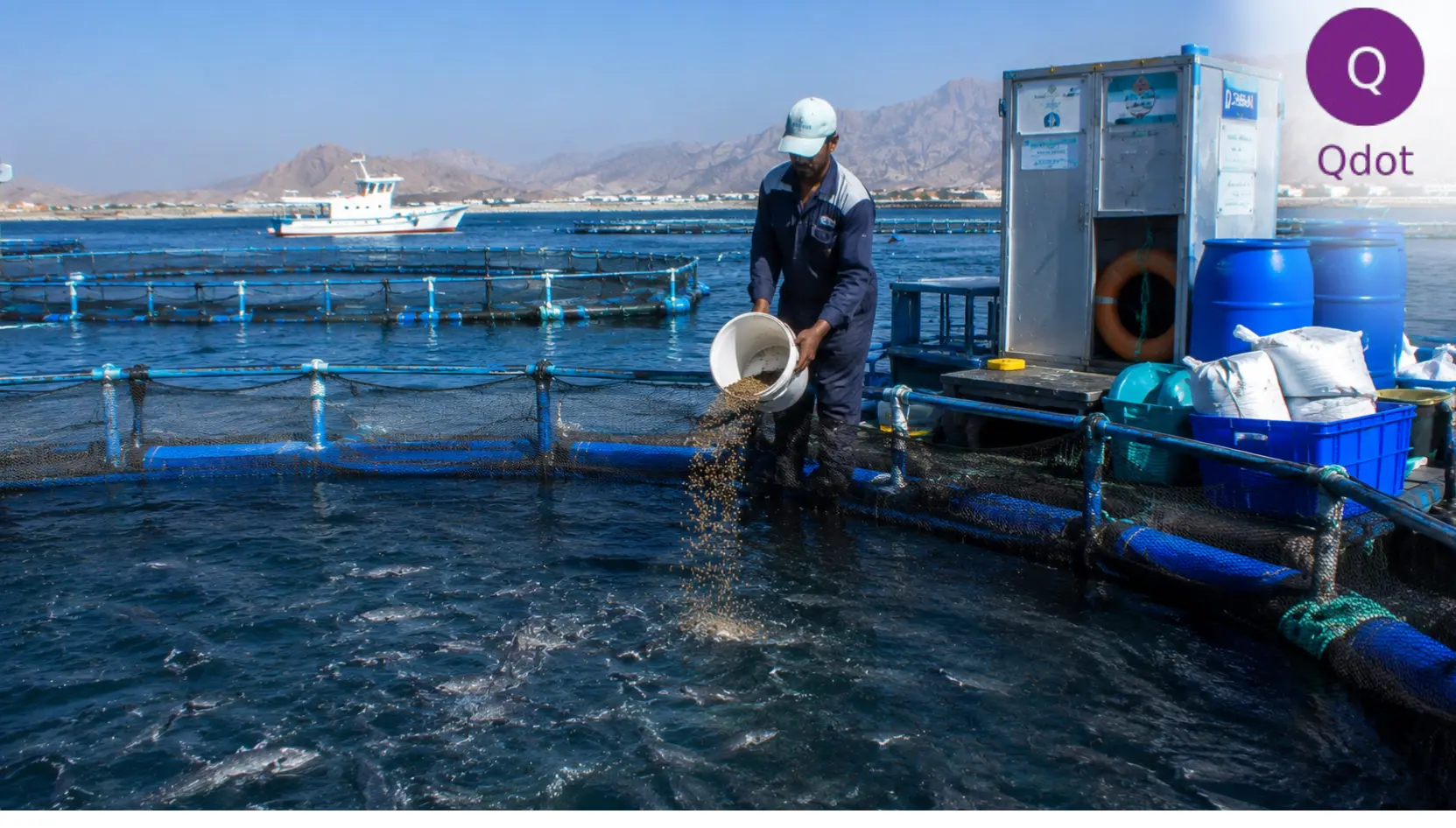
Seafood quality can deteriorate quickly when time, temperature, hygiene or handling controls fail. In Oman, fisheries and aquaculture businesses also operate across landing points, processing facilities, cold stores and distribution links. Qdot helps these companies translate food-safety principles into verifiable controls from receipt through dispatch.
Fisheries and food security form part of Oman’s national economic priorities. Activities may fall under requirements established by competent Omani authorities, customer specifications and export-market rules. Hazard analysis must reflect the species, product form, processes and destination market rather than using a generic seafood checklist.
Industry Segments We Serve
Seafood processors, fish landing and handling facilities, aquaculture farms, packing plants, ice and cold-storage facilities, seafood exporters, seafood transporters, marine supply-chain service firms.
Key Industry Challenges
Seafood quality and food safety depend on careful handling from harvesting or landing through processing, cold storage and delivery.
- Maintaining the cold chain. Poor temperature control can affect product safety, shelf life and customer acceptance.
- Food safety hazards. Risks vary by species and process, including contamination, hygiene failures and histamine formation where applicable.
- Traceability through the supply chain. Processors and exporters may need to track seafood from source to finished consignment.
- Export and buyer expectations. Customer requirements and destination-market rules may call for additional documented controls and verification.
Practical food safety systems can strengthen hygiene, traceability, product handling and confidence among seafood buyers while supporting compliance with applicable requirements.
Relevant ISO Standards and Industry Frameworks
The most suitable standards depend on your operations, customer requirements and the scope of your business. Common options include:
- HACCP: Hazard analysis and control measures suited to the seafood product and processing steps.
- ISO 22000: A food safety management system covering interactive communication, prerequisite programmes and hazard controls.
- FSSC 22000: Scheme-specific certification for eligible food-chain categories when customer or market requirements justify it.
- ISO 9001:2026: Customer requirements, service reliability, process consistency and complaint handling.
- ISO 14001:2026: Responsible management of wastewater, by-products, energy and environmental impacts.
HACCP is a food safety approach; FSSC 22000 and BRCGS are separate certification schemes, subject to their own requirements and eligibility.
How Qdot Supports Your Organisation
Qdot evaluates seafood handling, processing and dispatch practices, then helps design controls suited to the product, process and market. HACCP-based hazard analysis is adapted to real activities rather than copied from a generic template.
- Assess receiving, hygiene, temperature, storage and traceability controls.
- Develop appropriate food safety procedures and train production and quality personnel.
- Support internal checks, corrective action and readiness for applicable certification schemes.
Our consultancy support can include gap assessment, management-system documentation, team training, implementation assistance, internal audits, management review and preparation for an independent external assessment, as appropriate to the agreed scope.
Why Choose Qdot?
Qdot has provided management-system consultancy across the GCC since 2016. We focus on systems that fit the organisation’s work, rather than generic documentation prepared only for an audit. Where several standards apply, we can help integrate overlapping requirements into one manageable approach.
Qdot is an independent consultancy, not an ISO certification or accreditation body. Independent bodies make certification and accreditation decisions; project, regulatory and customer approvals remain separate.
Request Industry-Specific ISO Consultancy in Oman
Tell us about your services, facilities or projects in Oman, the requirements raised by your customers and any existing management systems. Qdot can review the scope and propose an implementation and certification-readiness approach suitable for your organisation.
FAQs
No. Scheme eligibility and commercial need depend on the facility activity, certification category and buyer expectations.
Not necessarily. Differences in species, hazards, processes and intended use can require separate analysis or distinct control plans.
No. Destination-market rules, health certificates and competent-authority requirements must still be met.