
 UAE
 Qatar
 Pakistan
 KSA
 Oman
 Kuwait
 Bahrain
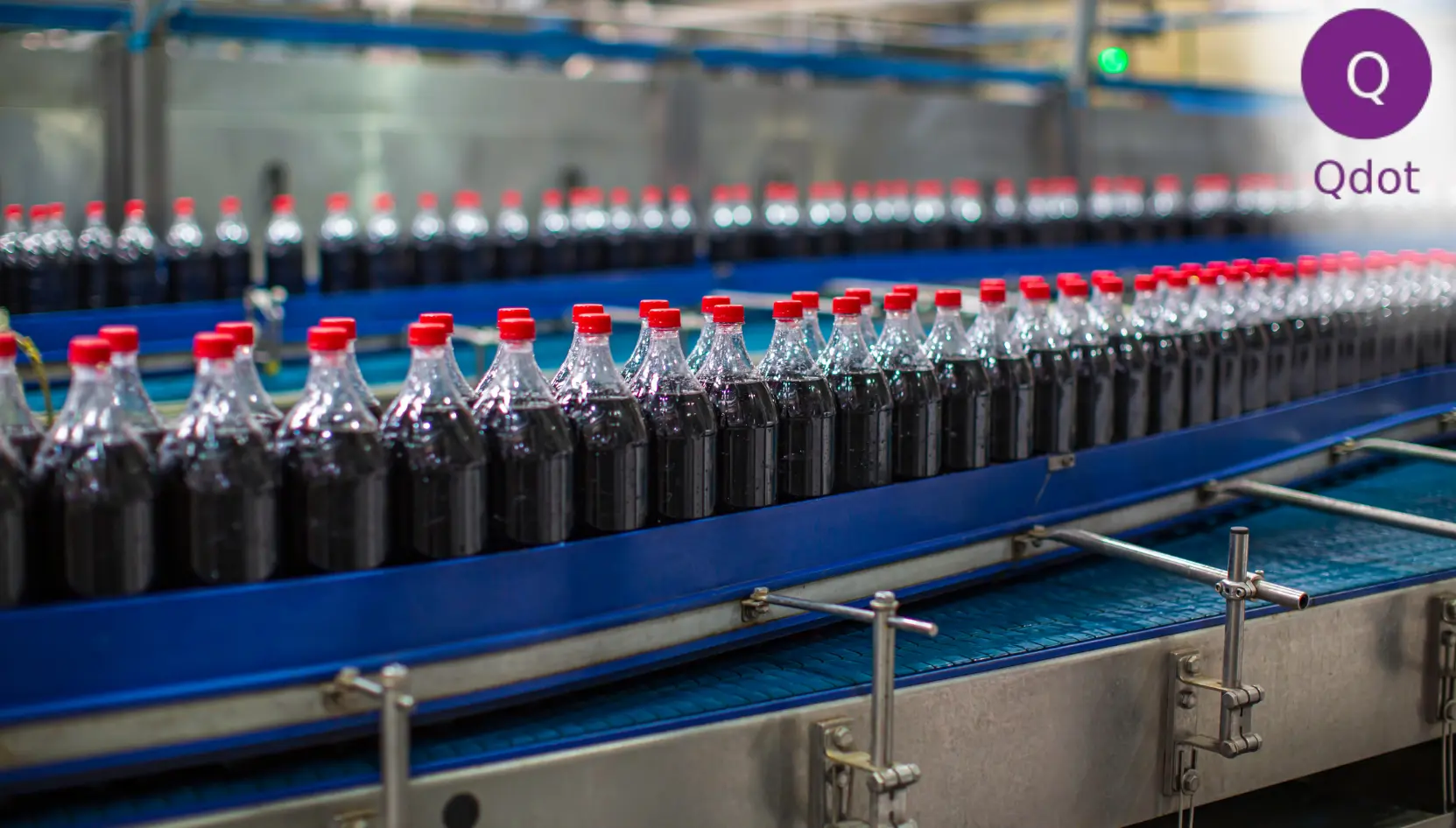
Food manufacturers need more than a written food safety manual. Product safety depends on well-chosen prerequisite programmes, supplier assurance, hygienic plant design, validated process controls and disciplined traceability. Qdot supports producers in Oman to develop systems that protect consumers and support retailer or export-buyer confidence.
As Oman develops food security and processing capacity, businesses may supply local retailers, hotels, caterers and export markets. Regulatory obligations, label requirements and product standards depend on the actual food category, selling market and the responsible Omani authority. ISO or GFSI-recognised scheme certification cannot be treated as a substitute.
Food and Beverage Manufacturing Sectors in Oman
Food and drink factories, date and agricultural processors, bakeries, dairy and beverage plants, packaging and ingredient firms, bottling operations, food warehouses and export-oriented food producers. For marine-product handling and processing, see our fisheries and seafood industry guidance.
Food Safety Challenges for Manufacturers in Oman
Food producers must manage product safety and consistency while meeting retail, hospitality and export-customer expectations.
- Food safety throughout production. Ingredient handling, cleaning, allergen controls and storage practices can introduce risks if not consistently managed.
- Batch traceability and product recall. Businesses need to identify affected products and act quickly when an issue is identified.
- Supplier and packaging controls. Inputs and packaging can affect food safety, product labelling and finished-goods conformity.
- Changing market requirements. Different buyers and export destinations may have additional product, labelling or certification conditions.
For food factories, useful records connect incoming ingredient lots, production checks, finished batches and dispatch decisions. This helps teams identify affected products and respond to issues without relying on assumptions.
Standards and Food Safety Schemes for Manufacturers in Oman
The most suitable standards depend on your operations, customer requirements and the scope of your business. Common options include:
- HACCP planning and controls: Identifies significant food-safety hazards, control measures, monitoring, deviations and verification.
- ISO 22000 food safety management: Connects hazard control with leadership, communication, documented information and improvement.
- FSSC 22000 certification readiness: Additional scheme requirements for eligible organisations that need recognised supply-chain assurance.
- BRCGS certification schemes: Applies different standards to food or packaging operations, depending on the buyer and facility scope.
- ISO 9001:2026 quality management: Supports product consistency, customer requirements and improvement alongside food-safety controls.
Before choosing a certification route, confirm the product and site scope and the evidence requested by your buyers. A scheme suitable for one activity may not cover another.
How Qdot Supports Food Manufacturers in Oman
Qdot reviews the full flow of ingredients and products, from supplier approval to finished-goods dispatch, and tailors the system to production hazards and customer needs.
- Help identify which food safety framework fits the facility's products, processes, existing controls and customer requirements.
- Review practical gaps in hygiene, allergen management, supplier assurance, packaging and batch traceability.
- Work with production and quality teams on responsibilities, improvement priorities, training and readiness for the selected assessment.
Depending on the agreed scope, support can include a site-specific gap report and focused action plan, with review of representative ingredient, cleaning, production and traceability records. Detailed requirements and certification steps are covered on the linked service pages.
Why Food Manufacturers Work with Qdot
Qdot has provided management-system consultancy across the GCC since 2016. For food producers, the priority is to align the chosen requirements with actual products, production lines, supplier arrangements and buyer expectations rather than prepare generic documentation solely for an audit.
Qdot is an independent consultancy, not an ISO certification or accreditation body. Independent bodies make certification and accreditation decisions; project, regulatory and customer approvals remain separate.
Discuss Food Safety Systems for Your Oman Facility
Tell us which food or beverage products you manufacture, your processing and packaging activities, facility location, existing HACCP or quality-system arrangements and any retailer or export-buyer requirements. Qdot can help assess which standards and implementation scope are appropriate for your operation.
FAQs
The right approach depends on the products, processes, customers and intended markets. HACCP, ISO 22000, FSSC 22000 and BRCGS serve different purposes; check the applicable scheme scope and buyer requirements before selecting one.
No. Certification to ISO or a food safety scheme does not replace applicable facility licences, product registrations, labelling requirements or other official approvals. These depend on the food category and the responsible Omani authority.
Share your main products, processing and packaging activities, number of sites, current food safety arrangements and any customer or export-market requirements. Existing process-flow diagrams, audit findings or buyer questionnaires can help define the scope.