
 UAE
 Qatar
 Pakistan
 KSA
 Oman
 Kuwait
 Bahrain
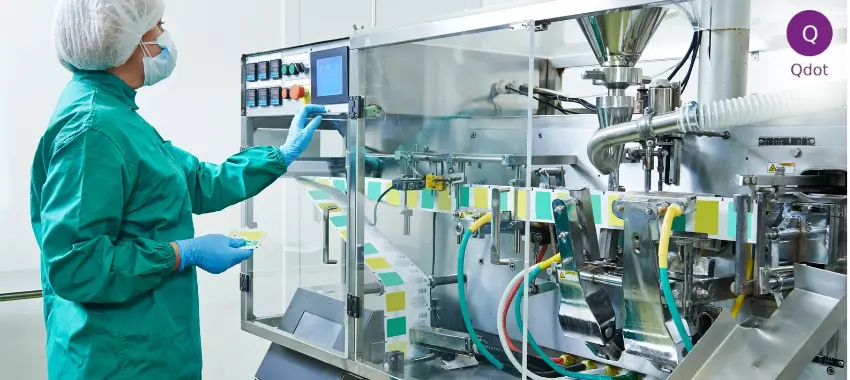
Healthcare product businesses must demonstrate control over specifications, suppliers, production or handling, traceability, change and complaints. Qdot supports organisations in Oman to build documented, risk-based quality systems suitable for the specific product category and business role.
Product registration, import conditions, distribution controls and manufacturing licensing depend on the product and the company's role. Oman's Ministry of Health establishment-approval service covers separate pharmaceutical and medical-device activities. ISO 13485 or ISO 9001 certification does not replace product registration, licensing or market authorisation.
Pharmaceutical and Medical Device Businesses We Support
Medical device manufacturers and importers, in-vitro diagnostic and device suppliers, pharmaceutical manufacturers, contract packers, regulated warehouses and distributors, and medical equipment installation or servicing businesses.
Quality and Regulatory Challenges for Healthcare Products
Pharmaceutical and medical-device supply chains need dependable quality controls, traceability and clear alignment with product-specific regulatory obligations.
- Product and supplier traceability. Poor visibility of suppliers, batches or device records can make quality incidents difficult to investigate.
- Controlled storage and distribution. Product conditions, expiry dates and distribution practices can affect safety and conformity.
- Changes and complaints. Changes to product specifications, suppliers or packaging, and reported defects or complaints, need documented evaluation and follow-up.
- Regulatory scope and responsibilities. Manufacturers, importers, distributors and service providers have different applicable duties.
For a device distributor, this can mean reliable receipt checks, storage records and lot or serial-number traceability. For a medicines manufacturer, production and quality-control evidence must follow the applicable pharmaceutical GMP framework.
Quality Standards and GMP for Pharma & Medical Devices
The relevant framework depends on whether you manufacture, import, distribute or service regulated products, as well as product classification and customer requirements:
- ISO 13485 quality management for medical devices: A device-specific QMS for activities and products within the defined scope.
- Pharmaceutical GMP implementation and audit readiness: Manufacturing and quality controls subject to the applicable pharmaceutical regulatory route.
- ISO 9001 quality management: General business and support-service processes where appropriate to the organisation's scope.
- ISO 27001 information security: Protection of sensitive product, business or patient-related information where applicable.
An importer or distributor may need different controls from a manufacturer. Select the management-system scope first, then confirm any separate regulatory obligations for the specific products and activities.
How Qdot Supports Pharmaceutical and Medical Device Operations
Qdot starts with the organisation's role and product scope, then aligns quality-system support with the actual responsibilities of a manufacturer, importer, distributor, contract packer or equipment service provider.
- Review product identification, supplier qualification, receiving records, storage conditions and traceability arrangements.
- Help define procedures and evidence for product handling, changes, complaints, nonconformities and corrective actions.
- Support role-based training and internal audit readiness for the chosen system, while regulatory submissions and approvals remain separate.
Where an organisation handles both medicines and medical devices, shared document-control or corrective-action routines can be coordinated while keeping device-QMS and pharmaceutical GMP obligations distinct. The work is tailored to the agreed scope, not a generic certification checklist.
Why Choose Qdot for Healthcare-Product Quality Systems?
Qdot has provided management-system consultancy across the GCC since 2016. Our approach starts with product type, business role and the controls each organisation can actually operate. A distributor should not receive a manufacturer's procedure set, and requirements for medical devices should not be treated as interchangeable with pharmaceutical GMP.
Qdot helps with implementation and audit readiness; it does not issue ISO certificates or regulatory approvals. Independent certification bodies make certification decisions, while the competent Omani authorities determine applicable licences, registrations and product approvals.
Discuss Your Pharmaceutical or Medical Device Operations
Tell us whether you manufacture, import, distribute, package or service medicines or medical devices, along with your product categories, facilities, existing quality system and customer or regulatory expectations. Qdot can propose quality-system support suited to that scope while keeping official licensing and product approvals separate.
FAQs
Some document-control and corrective-action processes can be shared. However, ISO 13485 requirements for medical devices and applicable pharmaceutical GMP controls still need to be addressed separately for their respective products and activities.
Depending on the product and activity, receiving checks, storage conditions, product identification, lot or serial traceability, complaints and rejected-stock controls may be relevant. Confirm the current Ministry of Health requirements for your establishment.
No. Certification of a quality management system does not replace applicable establishment approval, device registration, licensing or other market-access requirements. These depend on the product and the organisation's role.