
 UAE
 Qatar
 Pakistan
 KSA
 Oman
 Kuwait
 Bahrain
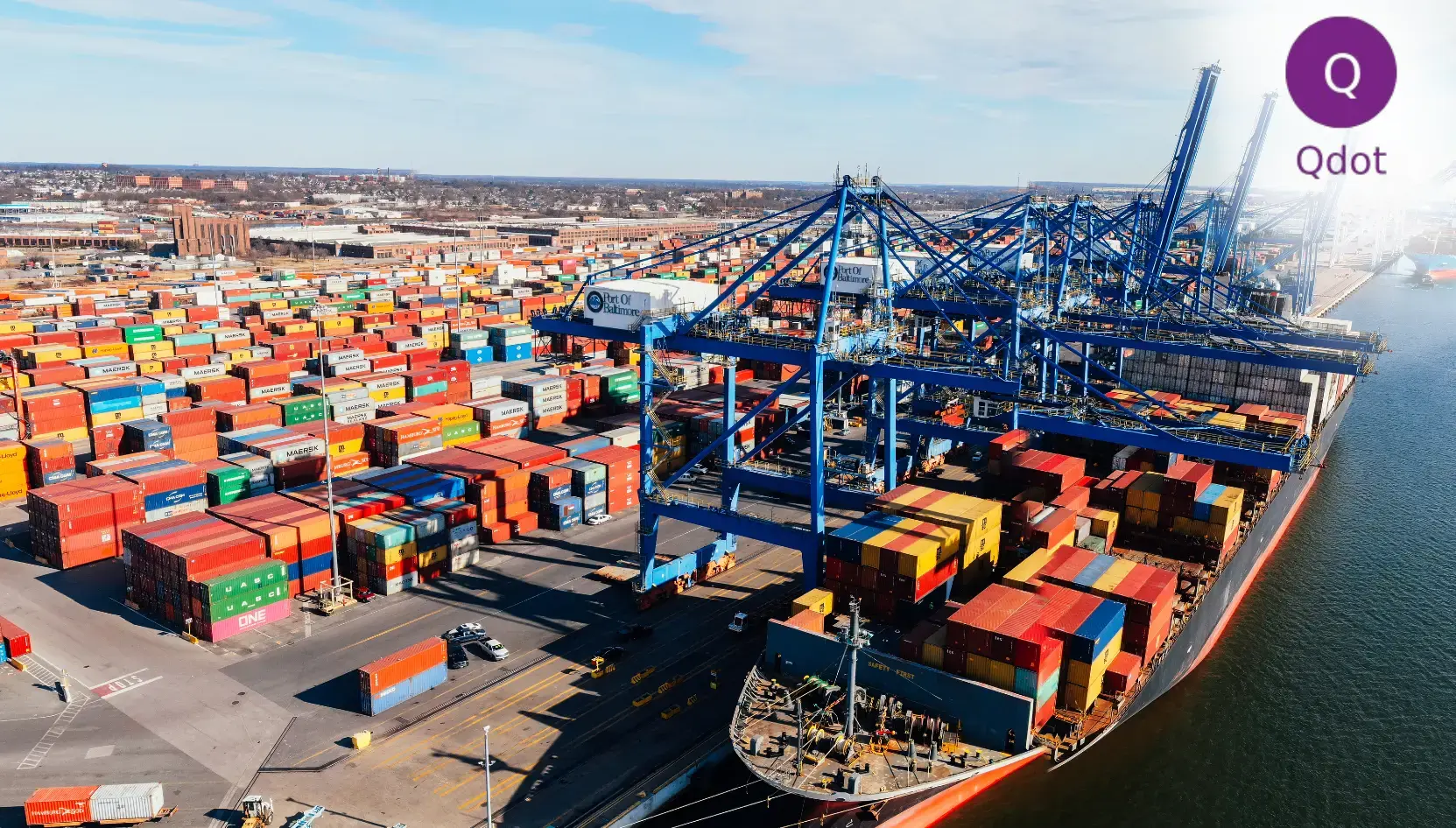
Logistics quality is often judged at the hand-off: a cargo document, a seal, a loading record, a temperature log or a confirmed delivery. Qdot helps Oman’s logistics businesses connect these hand-offs in a management system that reduces mistakes, strengthens chain-of-custody controls and creates evidence that customers can trust.
Oman’s logistics ecosystem connects Sohar, Salalah and Duqm with inland distribution centres and international shipping routes. Ports and free-zone operators may impose specific access, security, customs, safety and service requirements; these are distinct from management-system certification.
Industry Segments We Serve
Freight forwarding, port and terminal support, ship agency services, customs brokerage, container yards, trucking fleets, cold and ambient warehousing, third-party logistics, marine service providers.
Key Industry Challenges
Reliable logistics depends on well-managed handovers, safe movements and accurate cargo information from receipt to delivery.
- Cargo integrity and traceability. Damage, incorrect labelling, missing shipping information and weak stock controls can delay delivery and create disputes.
- Coordination across service partners. Forwarders, port operators, warehouses and transport contractors must understand who is responsible at each handover.
- Safety and security risks. Vehicle movement, lifting operations, unauthorized access and supply-chain security incidents need proportionate controls.
- Business interruptions. Route disruptions, equipment breakdowns and information-system failures can affect critical deliveries.
ISO-aligned processes can help logistics providers demonstrate dependable service delivery, manage outsourced activities and respond more confidently to customer and tender requirements.
Relevant ISO Standards and Industry Frameworks
The most suitable standards depend on your operations, customer requirements and the scope of your business. Common options include:
- ISO 9001:2026: Order accuracy, service agreements, subcontracting, traceability and complaints.
- ISO 28000: Supply-chain security management where threat exposure and customer expectations justify it.
- ISO 45001: Safety management for drivers, warehouses, terminals and handling activities.
- ISO 22301: Business continuity for transport, information systems and port disruption.
- ISO 14001:2026: Fuel, spills, waste, emissions and resource-use impacts, according to the operation.
How Qdot Supports Your Organisation
Qdot examines the movement of goods and information through booking, receipt, storage, loading, transport and confirmation of delivery. The system is built around the interfaces where failures most often occur.
- Clarify cargo acceptance, condition checks, handover responsibilities and complaint handling.
- Improve subcontractor, transport safety and security arrangements where relevant.
- Support operational training, internal audits and certification-readiness activities.
Our consultancy support can include gap assessment, management-system documentation, team training, implementation assistance, internal audits, management review and preparation for an independent external assessment, as appropriate to the agreed scope.
Why Choose Qdot?
Qdot has provided management-system consultancy across the GCC since 2016. We focus on systems that fit the organisation’s work, rather than generic documentation prepared only for an audit. Where several standards apply, we can help integrate overlapping requirements into one manageable approach.
Qdot is an independent consultancy, not an ISO certification or accreditation body. Independent bodies make certification and accreditation decisions; project, regulatory and customer approvals remain separate.
Request Industry-Specific ISO Consultancy in Oman
Tell us about your services, facilities or projects in Oman, the requirements raised by your customers and any existing management systems. Qdot can review the scope and propose an implementation and certification-readiness approach suitable for your organisation.
Frequently Asked Questions
No. It is a risk-based option; suitability depends on security threats, customer requirements and business scope.
Yes. An organisation still needs to determine and manage appropriate controls over outsourced activities that affect its services.
No. Licences, customs arrangements, maritime obligations and contractual approvals remain separate requirements.